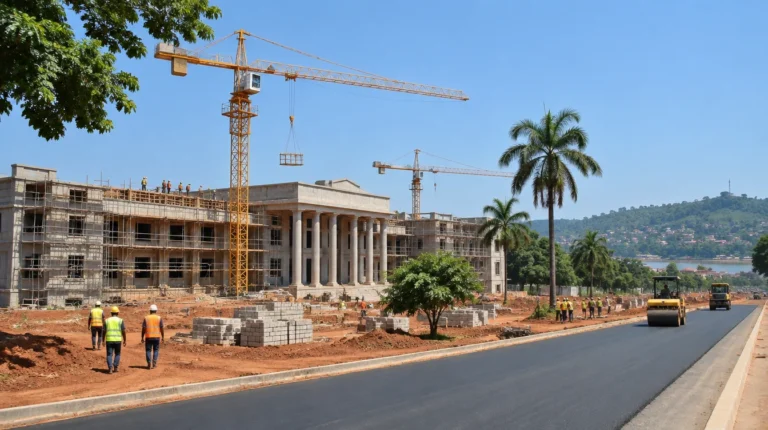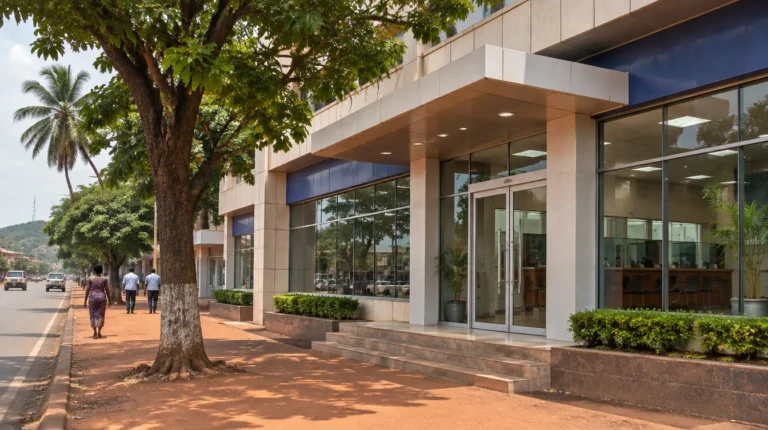






Bangui’s growth is creating strong demand for housing, offices, warehouses and shops. Buying land there has high potential, but requires rigorous checks: land is one of the main sources of disputes.
The land market in Bangui
Demand is concentrated in the central and administrative districts, along the main roads and in the city’s expansion areas, notably towards Bimbo and along the exit roads. Serviced plots that are accessible and well supplied with water and electricity are scarce and sought after.
A large share of land is still held under customary rights or through informal transactions, without a definitive land title. This is what makes prior checks essential.
Checks before buying
Before any commitment, several points must be verified:
- the identity and standing of the seller: are they the sole owner, or are there co-heirs?
- the legal status of the land: land title, simple certificate, customary rights?
- the absence of disputes or double sales, by asking the administration and the neighbours;
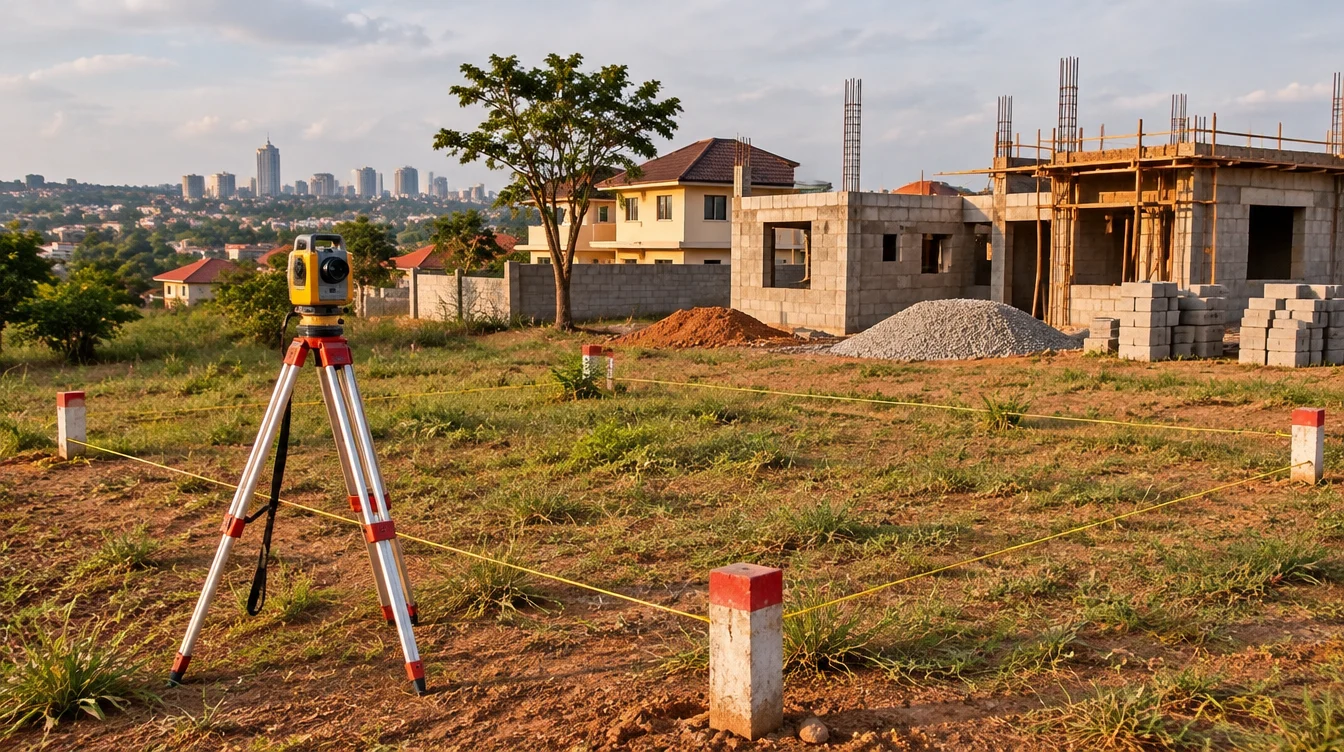
- the actual boundaries of the plot, to be confirmed by a boundary survey;
- whether it can be built on: zoning, easements, access, flood risks.
Never pay the full price before obtaining written checks on the legal status of the land. Haste is the leading cause of land disputes.
The role of the notary and the surveyor
The surveyor carries out the survey and boundary marking of the plot: they check that the plot sold matches reality and draw up the plan needed for the formalities. The notary secures the transaction: they check the documents, draft the deed of sale and complete the registration formalities. Their services have a cost, but they protect the buyer.
Obtaining your land title
The land title is the document that establishes ownership definitively. When the land does not yet have one, a registration procedure must be started with the land and cadastre administration. It generally includes an application, a joint boundary survey, public notice allowing any objections, and then the issue of the title. Timelines can be long: build them into your schedule.
The applicable rules (procedure, fees, rights of foreigners) must be confirmed with a Central African notary before any acquisition.
Building: partners and materials
Once the land is secured, construction brings its own challenges:
- choose an experienced construction company and check its references;
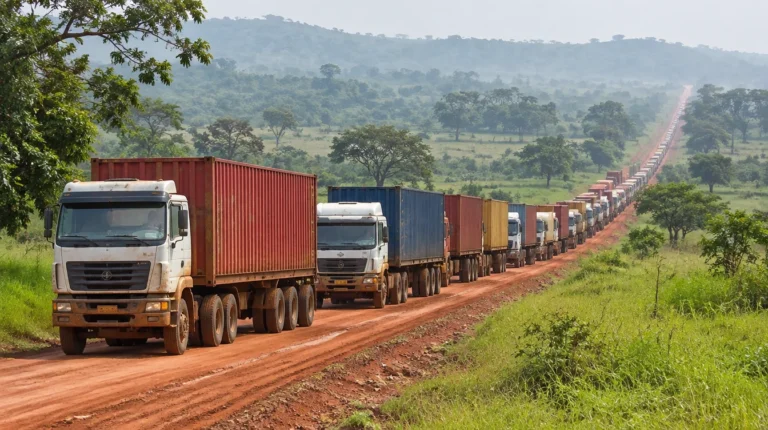
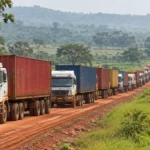
- plan the supply of materials, often imported via the Douala–Bangui corridor;
- provide for water, electricity and, if needed, a solar solution;
- ensure regular site supervision on the ground.
SCADIS supports real estate projects in Bangui: identifying plots, coordinating checks and project follow-up. Discover our Real estate and infrastructure page and our method for finding a reliable partner.
Frequently asked questions
How can I check that a plot of land in Bangui is safe?
By checking the seller’s identity, the legal status of the land with the administration, the absence of disputes and the actual boundaries through a survey carried out by a surveyor.
Is a land title mandatory?
It is the document that establishes ownership definitively. Without a land title, the buyer remains exposed to challenges; obtaining one is strongly recommended.
Should I use a notary to buy land in the Central African Republic?
It is the best guarantee: the notary checks the documents, drafts the deed of sale and completes the registration formalities.
Sources: CapMad, legal uncertainty and business climate (GICA, 2026) · Camer.be, Douala–Bangui corridor. Information current as of 20 November 2026.