




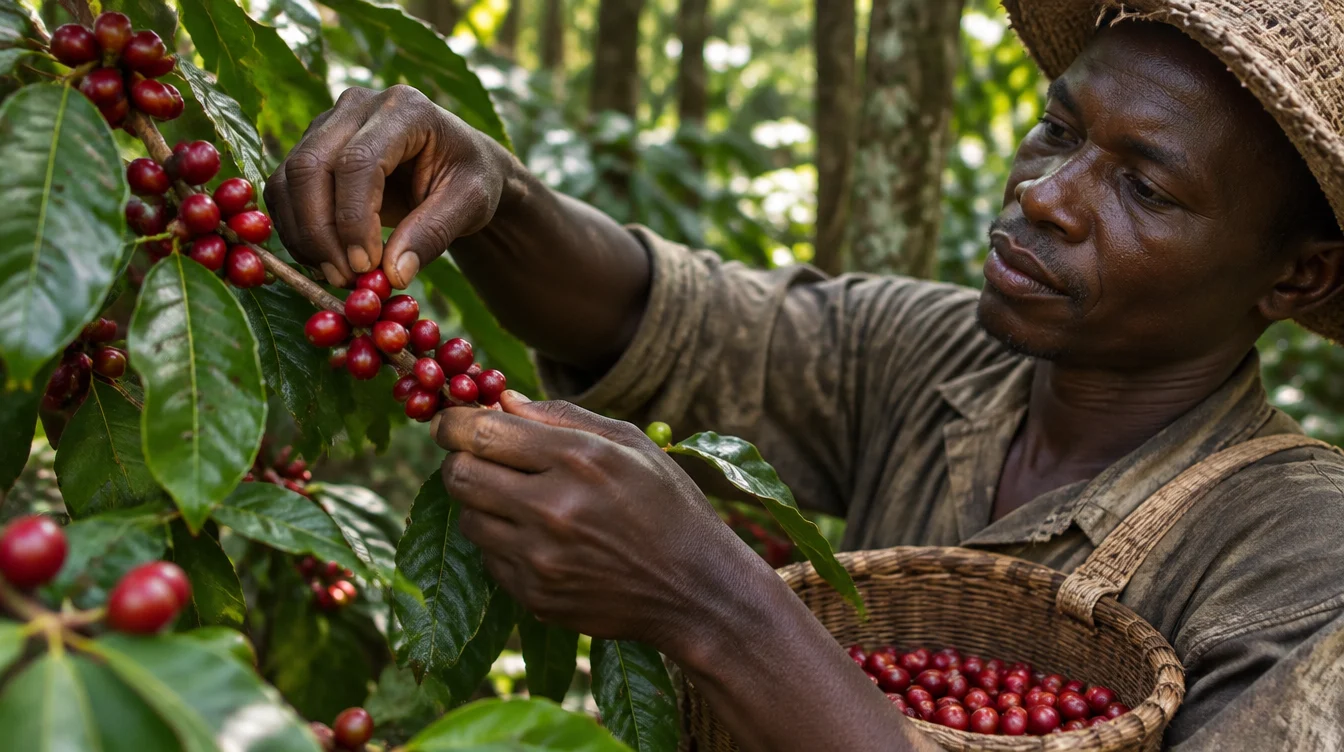
Coffee remains the Central African Republic’s leading agricultural export, but production has fallen tenfold in twenty-five years. The government has launched an ambitious revival plan. A sector to rebuild, and therefore to invest in.
A historic crop of the forest zones
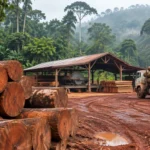
Coffee is grown in the forest zones of the south and south-west of the country, traditionally intercropped with cassava on family farms. Together with cotton in the savannahs, it was long one of the two great Central African cash crops, a source of cash income for thousands of rural households.
The current state of the sector
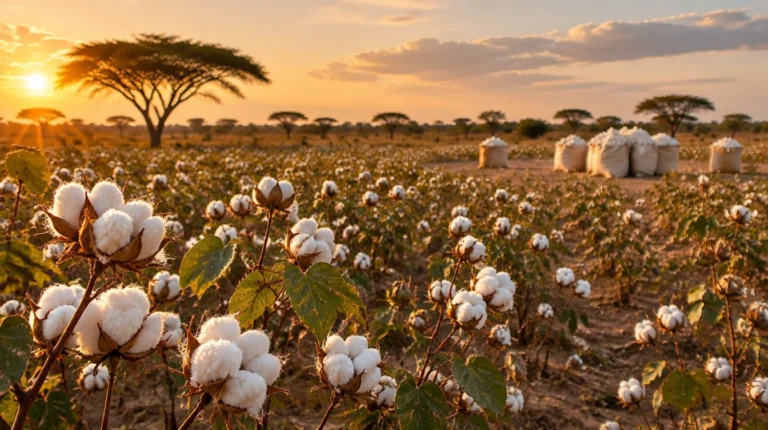
Successive crises, abandoned plantations, lack of support for growers and deteriorating rural roads have caused production to collapse. Coffee nevertheless keeps its top place among agricultural exports: about 1,500 tonnes exported in 2026, against only 300 tonnes of cotton.
The international context is favourable: coffee prices have reached high levels in recent years, improving the profitability of well-run revival projects.
Ongoing revival programmes
Two major initiatives frame the revival:
- 601,000 hectares made available by the government for coffee growing, with a threefold aim: diversifying the economy, improving rural incomes and repositioning Central African coffee on the international market;
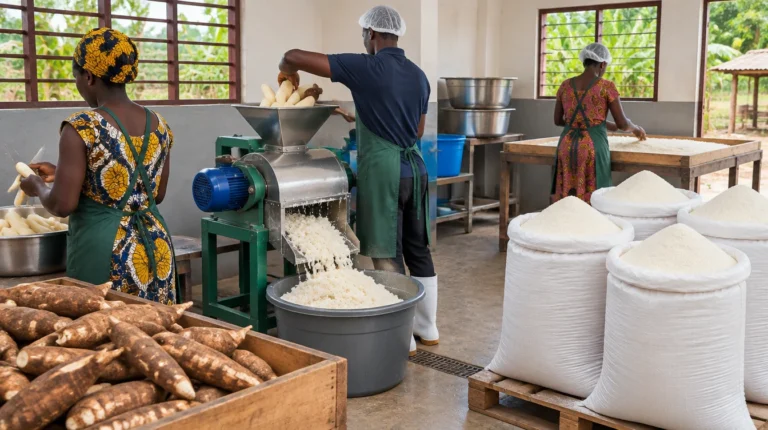
- a USD 98 million contract, signed on 31 March 2026 with the British group DSR, which provides in particular for coffee processing stations, as part of a mechanisation programme also covering cotton and cassava.
Processing and exporting: the opportunities
Coffee’s value is created mainly after harvest. Several links in the chain offer opportunities:
- plantations: rehabilitating existing orchards, new plantings with improved planting material;
- post-harvest processing: pulping, drying, hulling and sorting, which determine quality and price;
- marketing: aggregating production, contracts with international buyers, certifications;
- local roasting for the domestic and regional market.
A successful project usually combines an anchor operator (processing station, exporter) with a network of supported growers, technical assistance and pre-financing of the season.
Points of vigilance
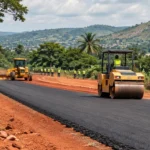
- Access to production areas and the condition of rural roads.
- Grower organisation and consistency of volumes.
- Quality, which determines access to the best-paying markets.
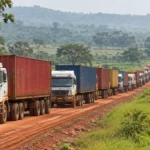
- Export logistics, via the corridor to Douala.
SCADIS supports agribusiness projects in the Central African Republic, from identifying partners to marketing. Discover our Agribusiness page and our articles on cotton and cassava processing.
Frequently asked questions
Is coffee still produced in the Central African Republic?
Yes. It is in fact the country’s leading agricultural export, with about 1,500 tonnes exported in 2026, even though production has fallen sharply over twenty-five years.
What programmes exist to revive coffee in the Central African Republic?
The government has made 601,000 hectares available for coffee growing and in March 2026 signed a contract that includes coffee processing stations.
Where is coffee grown in the Central African Republic?
Mainly in the forest zones of the south and south-west of the country.
Sources: EcoMatin, 601,000 ha to revive coffee · Sika Finance, DSR contract (March 2026) · FAO, CAR agricultural strategy. Information current as of 20 November 2026.