








In two years, gold has become the main driver of Central African exports. According to the BEAC, official exports rose from 770 kg in 2024 to 7.41 tonnes in 2025. A spectacular boom that also calls for great rigour on traceability.
Gold-bearing areas
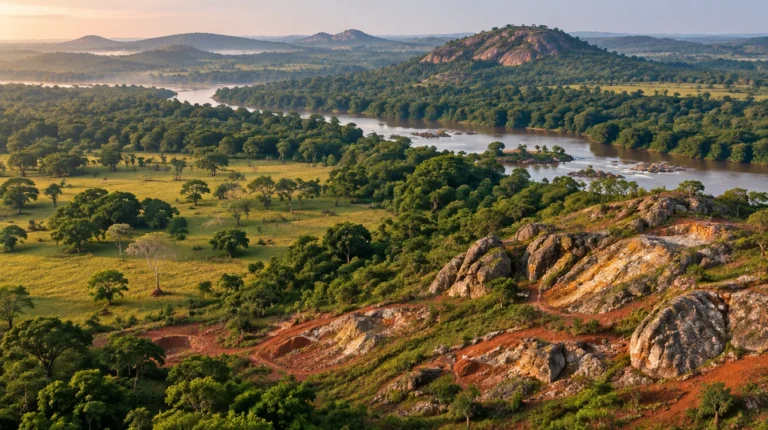
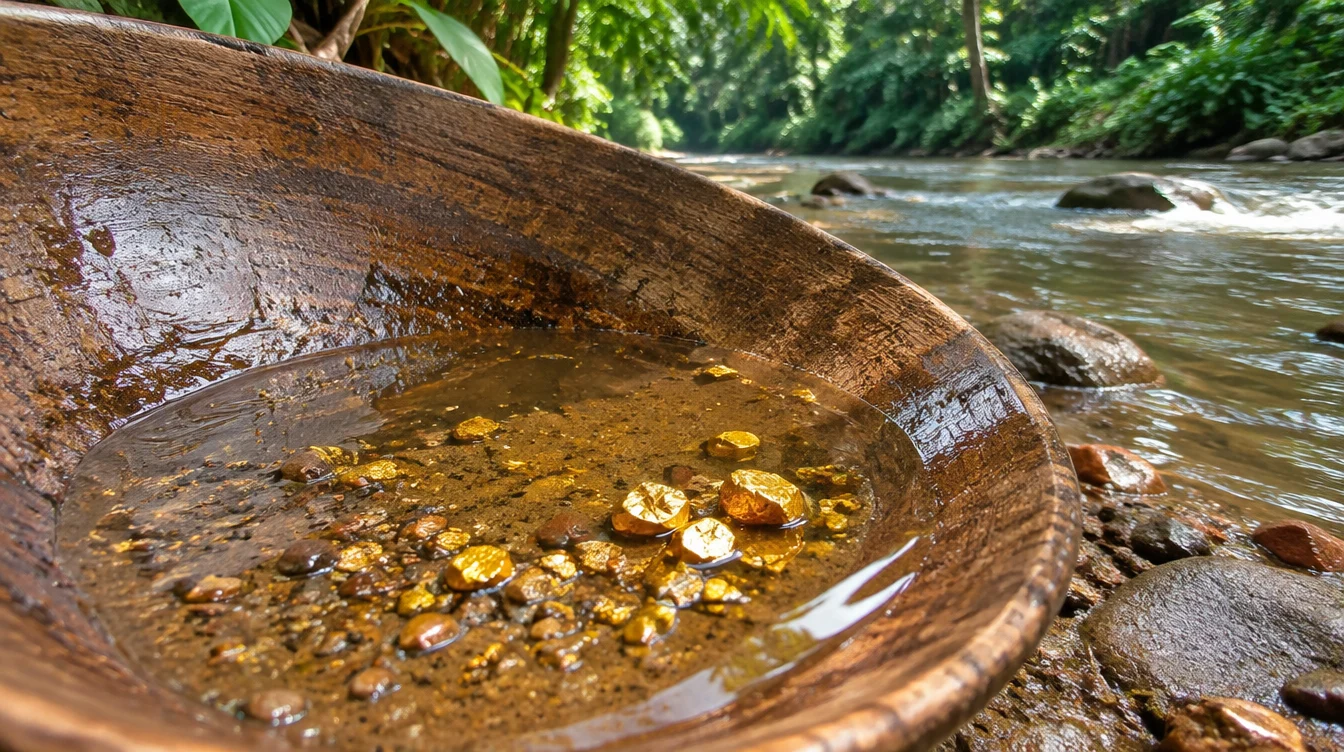
Gold production, like diamond production, comes largely from artisanal mining in several regions of the country, notably around Berberati, in Haute-Kotto and in Haute-Sangha. The gold is often alluvial: extracted from river sediments and old riverbeds.
The geological potential is also attracting industrial operators: in 2026, for example, a Canadian group obtained a 25-year mining contract covering uranium, gold and coltan.
A recent surge in official exports
BEAC figures show spectacular growth:
- 2024: 770 kg of gold exported through formal channels;
- 2025: 7.41 tonnes, almost ten times more;
- 2026: 9.39 tonnes projected by the central bank.
Thanks to gold, the country’s total export value is estimated to have reached about USD 313 million in 2025. This rise reflects both higher production and better capture by official channels, even though smuggling persists.
Artisanal and semi-industrial mining
Three models coexist:
- artisanal mining, the most widespread, using manual methods;
- semi-mechanised mining, using light equipment (pumps, motor pumps, washing plants);
- industrial mining, still limited, requiring heavy investment in exploration and equipment.
For an investor, support for light mechanisation, equipment and technical supervision of miners are often more accessible entry points than industrial mining.
The marketing framework
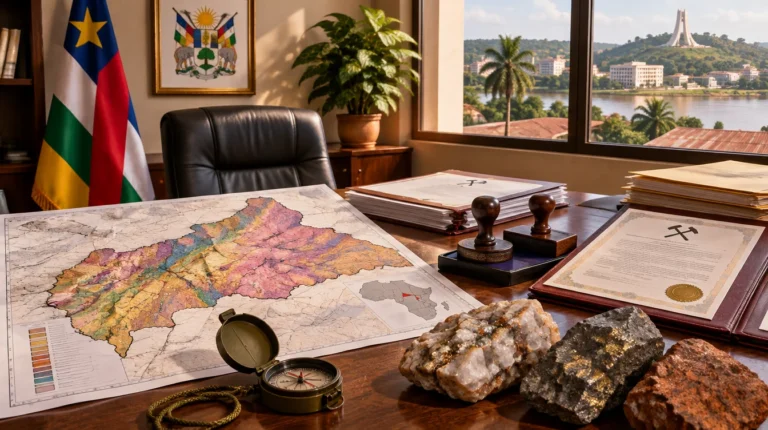
Gold is subject to a strict framework. The BECDOR (Bureau for the Evaluation and Control of Diamonds and Gold) monitors production and exports, and the 2024 Mining Code provides for a state company, GEMINCA, with a central role in exports. Purchases, transport and export of gold must go through licensed operators. Read our analysis of the Central African Mining Code.
Traceability and compliance
International buyers, refiners and banks now require full traceability of gold: origin, extraction conditions, transport chain and payment of taxes. A serious project must include:
- checking the titles and authorisations of every partner;
- documenting every step, from mine to export;
- compliance with international due diligence standards;
- extraction practices that respect the environment and communities.
Gold whose origin cannot be proven loses access to the major markets. Compliance is not an administrative burden: it is the condition of value.
Investing responsibly
The Central African gold sector offers real prospects, but it calls for a responsible approach and vetted partners. SCADIS supports mining projects in compliance with regulations: discover our Mining and natural resources page.
Frequently asked questions
How much gold does the Central African Republic export?
According to the BEAC, official gold exports reached 7.41 tonnes in 2025, up from 770 kg in 2024. The central bank projects 9.39 tonnes in 2026.
Where is gold found in the Central African Republic?
Production, mostly artisanal and alluvial, comes notably from the Berberati, Haute-Kotto and Haute-Sangha regions.
Can gold be exported from the Central African Republic?
Yes, through licensed operators and within the framework set by the Mining Code, under BECDOR control.
Sources: EcoMatin, gold exports (BEAC) · Africtelegraph, 2025 exports · EcoMatin, state mining companies and CVMR contract · Wikipedia, mining in the CAR. Information current as of 20 November 2026.